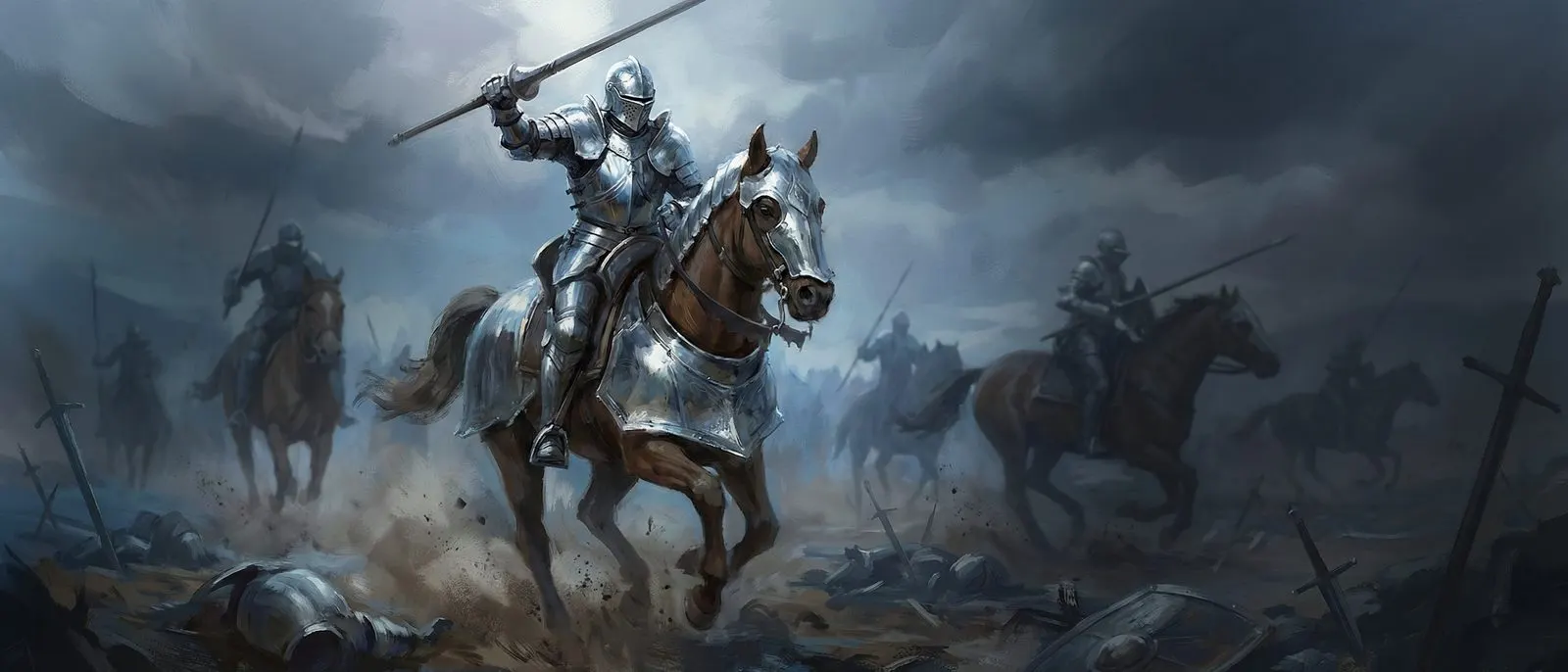
Warfare is the heart of Cinder & Crowns. The sandbox map is a live battlefield, and every army you move across it is a decision: marching costs stamina, so positioning matters. Everyone is hostile by default. Diplomacy is your only path to safety — form a Federation and you cannot attack each other, sharing vision and connecting your territory, or go Allied for shared vision alone.
Strategic targets
The map is full of things worth taking. Cities climb a clear ladder of prestige, and the choke points, crossings, and harbors between them decide who can march where.
- Cities — from town, up through small city, great city, provincial seat, and state capital, to the Royal City.
- Passes — chokepoints that unlock as the season progresses.
- Forts, fords, and docks — the connective tissue of the map.
Laying siege
Capitals do not fall easily. To take one you clear the forts around it, declare war, then rally an army and assault it. Smaller cities are more forgiving — attack one as soon as its territory connects to yours.
A rally can be a single small squad or a full alliance host, up to a cap of fifty armies. Defense runs the other way: every city holds a garrison and a defending force, and you must grind its durability down to zero before you can capture it.
Map PvE
Not every fight is against another player. Hunt roving rebels and bandits in the monster zones (marching there costs stamina), and slay world bosses that respawn on a timer — solo or with an alliance rally, with the alliance boss arriving as a weekly summon. Map monsters carry troop types and obey the same counter triangle as your own armies, so read the matchup before you commit. The rebels, convicts, insurgents, and heretics you fight are PvE flavor, not playable factions.
The inward funnel
A season is built to collapse toward the center: six birth states funnel into three resource states, which funnel into a single Crown Land. Seize the central Golden Capital and the season is yours.