Geometry and Order
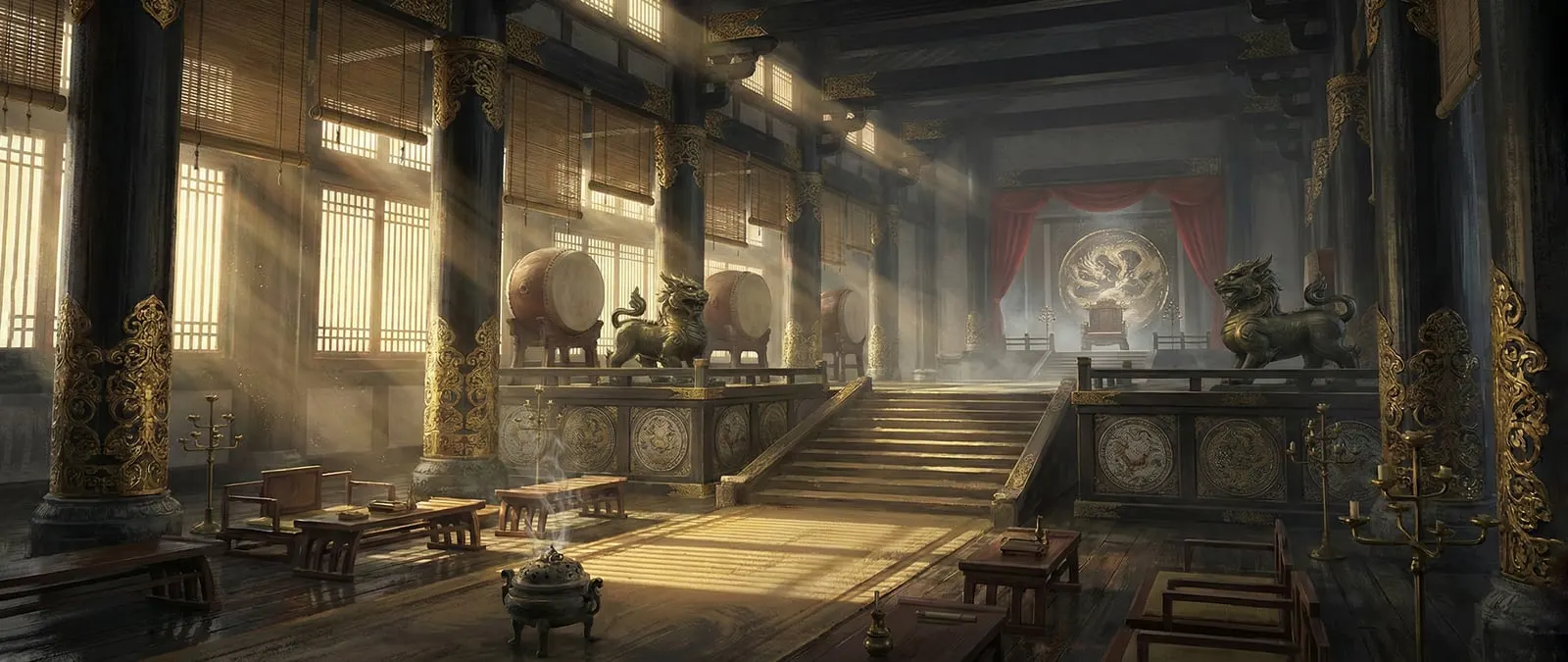
The East Asia announces itself in line and symmetry. Its cities are built square and true — walls, palaces, and streets arranged along a single axis, even the mountain ridges tamed into ramparts. This is no decoration. It is a way of seeing the world, rendered in stone.
When the fall of Atlantis broke the continent, mountain ranges carved the wreckage into scattered realms. In the east, those mountains and the Great Wall lock the borders. The Great Wall watches the north; warmer, gentler country lies to the south; rivers thread the plains, and cities unfold along their axes.
From Unification to the Open Sea
The East Asia holds more than a thousand years of history within its walls:
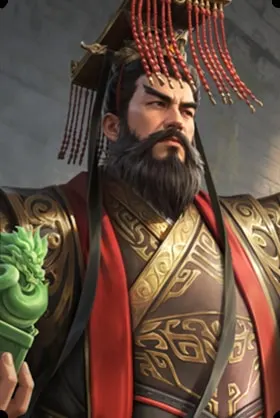
- Qin — where it begins. Qin Shi Huang swept aside the six rival states and forged a centralized order under Legalist law, his Infantry phalanxes closing with dagger-axe and halberd.
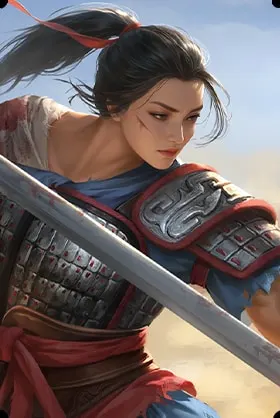
- The age of the ballads — the era of Mulan, the legendary woman warrior of the Ballad of Mulan, who took her father's place in the army.
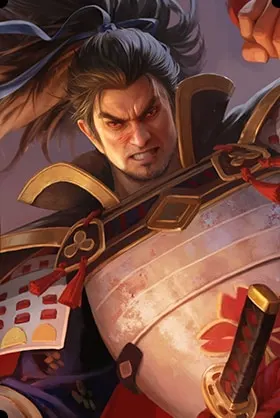
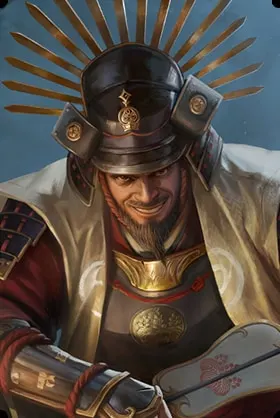
- Sengoku Japan — Oda Nobunaga and Toyotomi Hideyoshi, two steps on the climb from chaos to unity, in an age of unsettled order and rising heroes.
- The Korean peninsula — watched over by Seondeok, first queen in its history, who read the stars from her observatory tower and set a divided land on the road to unity; and defended, dynasties later, by Yi Sun-sin, the naval legend who repelled a fleet of 330 ships with only 12 of his own at the Myeongnyang Strait. Through them, the Realm's story runs from the star-tower to the open sea.
These eras need not touch. The East Asia is a vessel for legend: the great commanders of ages past embody the glory of their times, and when a new era begins, they are summoned once more onto the same soil.
Four Words That Define the East
- Strategy — formation over charge; feint and substance; battles won before they are fought.
- Dynasty — time measured in the rise and fall of ruling houses. The East feels cyclical, rhythmic, patient.
- The Great Wall — the border made stone; order's standing answer to chaos.
- Ritual — a black-and-gold crown hung with strands of jade; majesty without excess. Regalia, robes, and rites form the heart of the Realm's aristocratic beauty.
These four words set the tone for everything eastern — its art, its music, its halls.
Six Names on the Map
Of the thirty heroes of Cinder & Crowns, six belong to the East Asia:
- Qin Shi Huang — the Infantry phalanx incarnate, the first image of unified order.
- Mulan — the folk legend who marched in her father's name.
- Oda Nobunaga and Toyotomi Hideyoshi — twin ambitions of the Sengoku age.
- Yi Sun-sin — turtle ships and the crane-wing formation, guardian of the strait.
- Seondeok — first queen of Silla, who read the stars and the hearts of those who served her.
Their full stories belong to chronicles yet to come. For now, they stand as the Realm's coordinates: the will to unify, the legend of the common folk, the ambition of a broken age, the shield upon the sea, and the queen who read the stars.