A Land of Cold Light
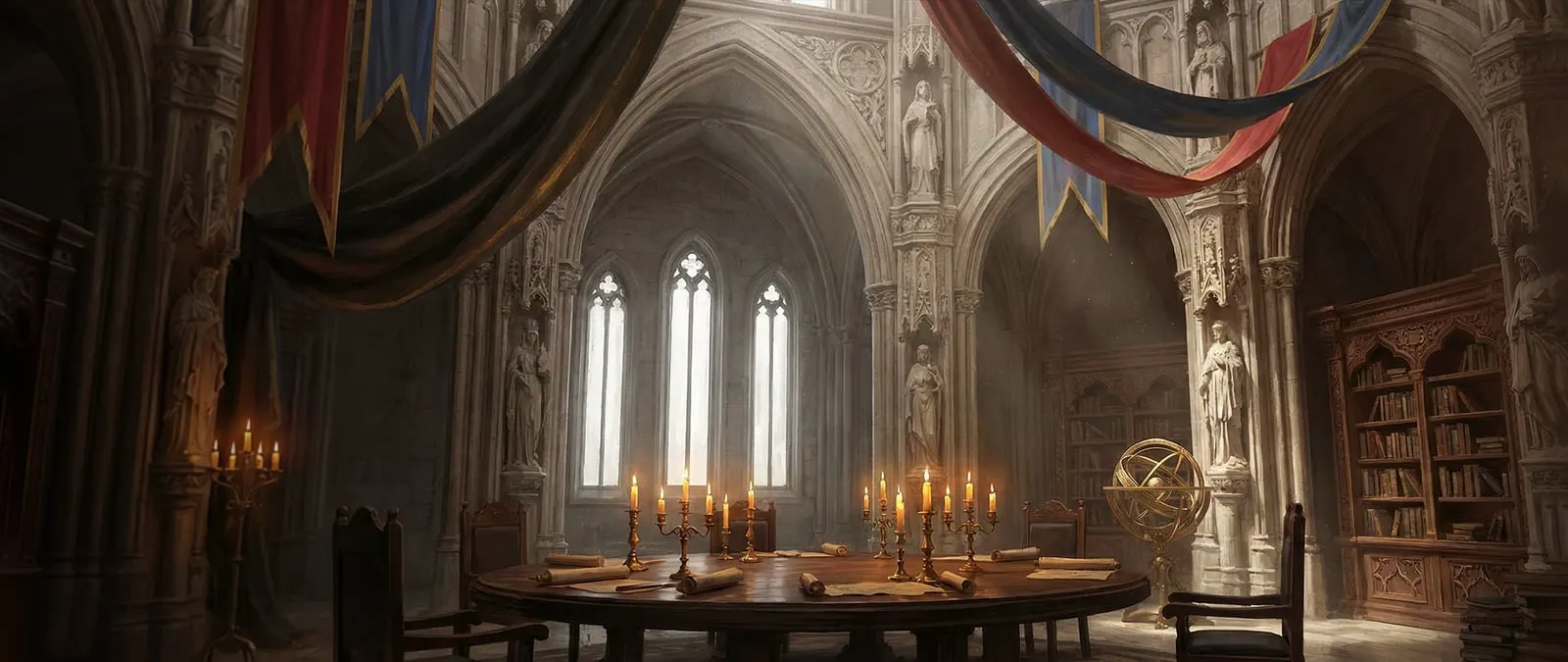
Europe lies on the far side of the broken continent, where mountains and seas draw the borders that set it apart from East Asia, the Middle East and Africa, and the lands of monsoon Asia. Wheat ripens in the shadow of medieval castles. Roman military roads crumble underfoot. Cold light falls through the high windows of churches. The realm's signature ruin fuses a Roman arena with the trial culture of medieval knights — red rock strata, wind-eroded mesas, shattered stone steps, collapsed stands.
Its music is scored as vast, ordered strings, and those few words are very nearly the realm's soul: broad, restrained, exact, with something heavy underneath.
From Legion to Crown
Europe spans four layered ages.
Greece and Rome. Athenian hoplites lock shields into the phalanx; the legions cross Gaul under eagle standards, short swords at their hips. Caesar's own arms preserve the era's emblems — the Roman gladius, the Roman eagle helm.
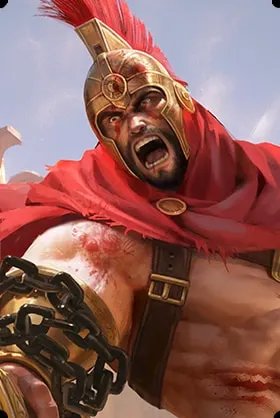
The Middle Ages. The Holy Roman Empire and the Crusades weld religion to royal power; the knight's silhouette is fixed in steel — helm crowned in gold, plate armor beneath a red surcoat, chainmail leggings and rider's boots. And at the age's northern edge stands its counterpoint: William Wallace, the commoner Guardian of Scotland, who raised the banner of a nation's freedom at Stirling Bridge and proved that the age of crowns could be shaken by a man born to neither crown nor title.
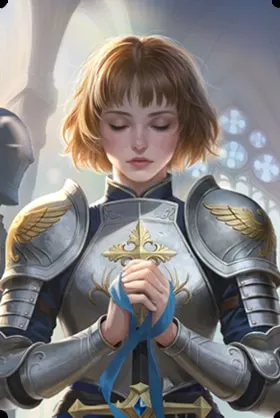
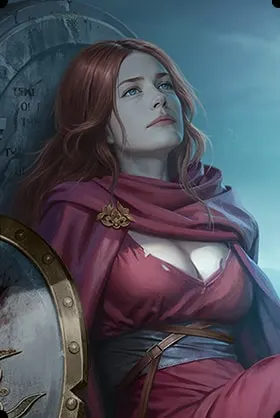
The end of the Hundred Years' War. Joan of Arc's silver-blue plate, lit through a church's high windows, remains one of the realm's most charged images.
The early modern turn. After the Renaissance, after the Lion of the North, the Swedish court carries "order" off the battlefield and into the study.
Glory, Conquest, Faith, Enlightenment
Four axes run through Europe — not stages in sequence, but tensions interwoven across the same ground:
- Glory — the legion's eagle and the knight's title, turning personal deeds into institution
- Conquest — from Caesar at the Rubicon to the Lionheart's march on Jerusalem
- Faith — the cross and the church window, the realm's most constant symbols
- Enlightenment — Christina's Vasa court, turning the spoils of war toward philosophy and art
Four Names, One Arc
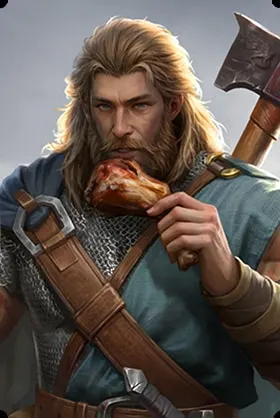
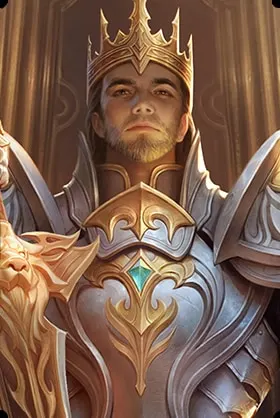
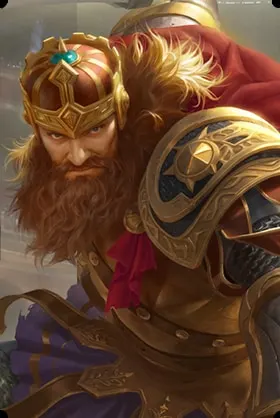
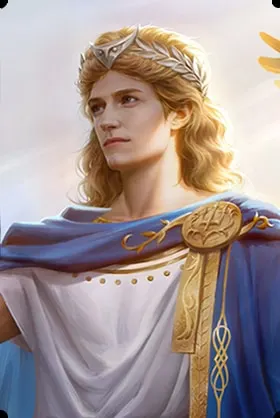
Among the thirty heroes of Cinder & Crowns, four of Europe's legendary commanders each capture a cross-section of an age:
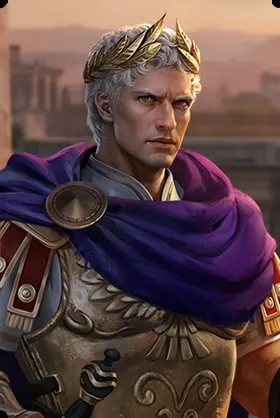
- Julius Caesar — dictator of the late Roman Republic, who crossed the Rubicon and left the Commentaries on the Gallic War behind him
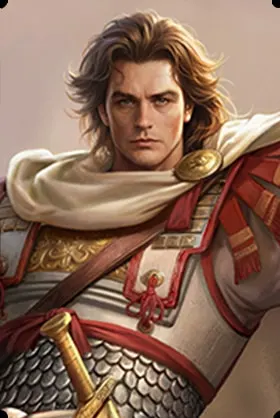
- Richard I — the Lionheart of England, commander of the Third Crusade, who broke the Siege of Acre by pairing his army with his fleet
- Joan of Arc — the farm girl who became the saint of France, lifted the Siege of Orléans, and died at the stake
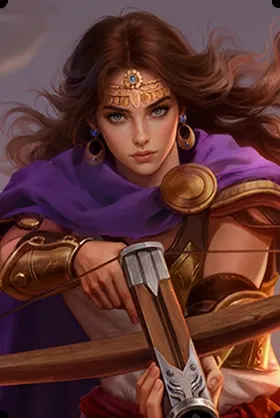
- Christina — queen of Sweden's Vasa dynasty, who, after the Thirty Years' War ended, converted to Catholicism and renounced her throne
Read together, they trace Europe's full arc: from the glory of the legions, through the wars of faith, to an enlightenment carried by a woman's hand.